 Pocket
Climbing Terms: 83 Climbing Lingo Words Explained for Beginners
Walk into a climbing gym and you'll hear people talking about beta, crimps, sending their project and getting pumped. Climbing terminology can sound like a foreign language at first, but most of it is simple once someone explains it. This glossary covers the climbing terms beginners hear most, grouped by topic so you can learn the lingo in the order you'll actually need it.
Quick answer: The climbing terms beginners hear most are beta (how to do a climb), send (climb it without falling), flash and onsight (send it first try), crux (the hardest move), project (a climb you're working on), jug and crimp (big and small holds), pumped (tired forearms) and belay (managing the rope for a climber). The full glossary below groups 83 terms by topic.
The 10 climbing terms to learn first
If you only learn ten climbing terms before your first session, make them beta, send, flash, project, crux, problem, jug, crimp, pumped and belay. These words cover how people describe a climb, how they talk about success, the most common holds and the rope system, so you can follow almost any conversation at a gym.
- Beta: Information on how to do a climb, such as which holds to use and in what order.
- Send: To climb a route or boulder problem from bottom to top without falling.
- Flash: To send a climb on your very first try.
- Project: A hard climb you work on over several attempts or sessions.
- Crux: The hardest move or section of a climb.
- Problem: A single bouldering climb, marked by holds of one color or tape.
- Jug: A big, deep, easy-to-hold handhold.
- Crimp: A small edge you hold with your fingertips.
- Pumped: When your forearms feel tight and tired from gripping and you can't hold on well.
- Belay: Managing the rope to catch and lower a roped climber.
Types of climbing
The main types of climbing are bouldering (short climbs over crash pads, no rope), top rope (rope already anchored above you), lead and sport climbing (you clip the rope into bolts as you go), and trad climbing (you place removable protection). Each style has its own vocabulary, but most beginners start with bouldering or top rope in a gym.
| Term | Meaning |
|---|---|
| Bouldering | Climbing short walls or boulders without a rope, over crash pads. Read what bouldering is for the full picture. |
| Problem | A single bouldering climb with a set start and finish. |
| Route | A roped climb with a set line from bottom to top. |
| Top rope | Climbing with the rope already running through an anchor above you, so falls are short. |
| Lead climbing | Climbing with the rope below you and clipping it into protection as you go, so falls are longer. |
| Sport climbing | Lead climbing on routes with permanent bolts drilled into the rock or wall. |
| Trad climbing | Short for traditional: lead climbing where you place and remove your own protection. |
| Free climbing | Climbing using only your body to move up, with ropes only to catch falls. See free climbing vs free soloing. |
| Free solo | Climbing high routes with no rope or protection at all. Extremely dangerous. |
| Auto-belay | A device on gym walls that takes in the rope as you climb and lowers you slowly when you let go. |
Sending, attempts and beta
Climbers describe their attempts with a small set of words: you work on a project, figure out the beta, try to get through the crux, and finally send it. How you send also matters: a flash or onsight means first try, and a redpoint means you sent it after practicing. These are the words you'll hear most in any gym.
| Term | Meaning |
|---|---|
| Send | Climbing a route or problem from start to finish without falling or resting on the rope. |
| Flash | Sending on your first try, with some beta (for example after watching someone else). |
| Onsight | Sending on your first try with no beta at all. |
| Redpoint | Sending a route after practicing it on earlier attempts. |
| Project | A climb at or above your limit that you work on over time. "Projecting" means working on it. |
| Beta | How to do a climb: hold sequence, foot placements and body positions. |
| Beta spray | Giving beta to someone who didn't ask for it. |
| Crux | The hardest move or section of a climb. |
| Burn | One attempt on a climb, as in "I'll give it another burn". |
| Dab | Accidentally touching the ground, a pad or something off-route mid-climb, which usually means the send doesn't count. |
| Top out | Climbing up and over the top of a boulder instead of jumping off from the last hold. |
Climbing holds
Climbing holds are the grips you use with your hands and feet. The main types are jugs (big and easy), crimps and edges (small and sharp-edged), slopers (rounded), pinches (squeezed with your thumb) and pockets (holes for one or more fingers). Learning to recognize each one tells you how to grip it before you even touch it.
| Term | Meaning |
|---|---|
| Jug | A large, deep hold that's easy to grab. Beginner climbs use lots of them. |
| Crimp | A small edge you hold with your fingertips. Hard crimping puts a lot of load on finger tendons. |
| Edge | A flat, horizontal lip on a hold or the rock, used by hands or feet. |
| Sloper | A rounded hold with no edge, held with an open hand and good body position. |
| Pinch | A hold you squeeze between your thumb and fingers. |
| A hole you fit one, two or three fingers into. | |
| Volume | A large hollow shape bolted to a gym wall that you can stand on or hold. |
| Foot chip | A tiny hold meant only for your feet. |
| Start hold | The marked hold or holds where a problem begins, usually with a tag or tape. |
| Finish hold | The marked last hold you must control, often with both hands, to complete a problem. |
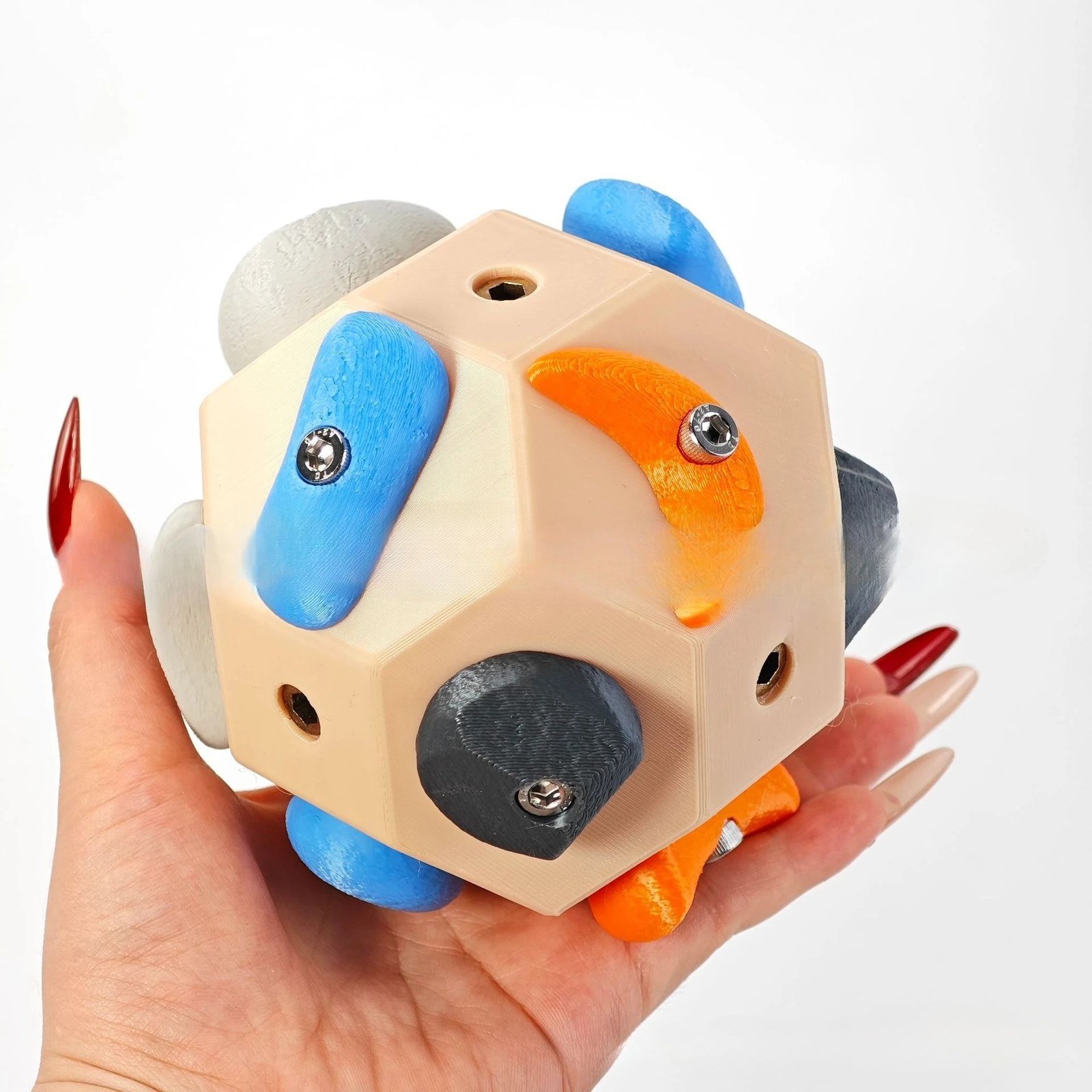
Want to feel the difference between hold types at home? PocketCrag, our hand-held climbing block, has crimps, pinches, slopers and pockets you can move around the block. It's for low-load grip practice, not a hangboard. For gradual finger training, see finger strength for climbing.
Climbing moves and technique
Climbing moves describe how you use holds and your body: dynos and deadpoints are dynamic moves to reach far holds, heel hooks and toe hooks use your feet like an extra hand, and flagging, drop knees and smearing help you balance. Knowing these names makes it far easier to follow beta and coaching tips.
| Term | Meaning |
|---|---|
| Dyno | A dynamic jump to a hold that's out of reach, where both hands (and often feet) leave the wall. |
| Deadpoint | A controlled reach where you grab the next hold at the top of your movement, when you feel almost weightless. |
| Heel hook | Placing your heel on a hold and pulling with your leg to take weight off your arms. |
| Toe hook | Hooking the top of your toes behind a hold, often on overhangs, to stop your body swinging. |
| Smearing | Pressing the sole of your shoe flat on the wall where there's no foothold, using friction. |
| Edging | Standing on a small edge with the inside or outside edge of your shoe. |
| Flagging | Sticking a leg out to the side, against the wall, for balance instead of standing on a hold. |
| Drop knee | Turning one knee down and in to bring your hips close to the wall on steep climbs. |
| Mantle | Pushing down on a ledge to climb onto it, like getting out of a swimming pool. |
| Gaston | Gripping a hold with your elbow out and pushing it away from you, like opening elevator doors. |
| Undercling | Holding the underside of a hold with your palm up and pulling up on it. |
| Sidepull | A hold facing sideways that you pull toward your body. |
| Match | Putting both hands on the same hold. |
| Campusing | Climbing with your hands only, feet off the wall. Very hard on fingers and not for beginners. |
Wall angles and rock features
Wall angle changes how a climb feels. Slab is a wall leaning back away from you, where balance and footwork matter most; vertical walls are straight up; overhangs lean out over you and need more strength; and roofs are close to horizontal. Arêtes and dihedrals describe outside and inside corners.
| Term | Meaning |
|---|---|
| Slab | A wall angled back, less than vertical. It's all about balance, trusting your feet and smearing. |
| Vertical | A wall that goes straight up, often called a "vert wall" in gyms. |
| Overhang | A wall that leans out past vertical, so you hang under it. Also called steep. |
| Roof | A section that's close to horizontal, where you climb along the ceiling. |
| Arête | An outside corner or sharp edge where two walls meet. |
| Dihedral | An inside corner, like an open book. Also called a corner. |
Climbing gear terms
Beginners need only a few pieces of climbing gear: climbing shoes, chalk and, for roped climbing, a harness, belay device and locking carabiner. Gyms usually rent all of these. The rest of the gear words, like quickdraws, bolts and cams, mostly matter once you start lead or outdoor climbing.
| Term | Meaning |
|---|---|
| Climbing shoes | Tight rubber shoes with sticky soles for standing on small holds. |
| Chalk | A white powder that dries sweat for better grip, carried in a chalk bag or chalk bucket. |
| Crash pad | A thick foam mat placed under boulder problems to soften falls. |
| Harness | The waist and leg loops that attach you to the rope. |
| Belay device | A device the belayer uses to control the rope, hold falls and lower the climber. |
| Carabiner | A metal clip with a spring gate. Locking carabiners have a sleeve that stops the gate opening. |
| Quickdraw | Two carabiners joined by a sewn sling, used to clip the rope to bolts when lead climbing. |
| Rope | A dynamic (stretchy) rope that absorbs the force of a fall. |
| Anchor | The secure point at the top of a route that the rope runs through or attaches to. |
| Bolt | A permanent metal anchor drilled into rock for sport climbing. |
| Protection (pro) | Removable gear such as cams and nuts placed in cracks on trad climbs. |
| Hangboard | A wall-mounted training board with edges and pockets for finger training. See our hangboard guide. |
Skin, body and injury slang
Climbers have their own slang for what climbing does to the body. Pumped means tired forearms, a flapper is torn skin, a split tip is a cracked fingertip, and a tweak is a minor injury, usually to a finger. Learning these words also helps you spot when to rest before a small problem turns into a big one.
| Term | Meaning |
|---|---|
| Pumped | Forearms that feel tight, swollen and tired from gripping, so you can't hold on well. |
| Flash pump | Getting pumped very quickly, often because you skipped a warm-up. |
| Flapper | A flap of skin, often a callus, torn from a finger or palm. Our guide to climbers' hands covers how to care for it. |
| Split tip | A crack in the skin of a fingertip, usually along the edge of a dry callus. |
| Gobies | Small scrapes and cuts on the backs of hands and knuckles. |
| Tweak | A minor injury, most often a strained finger. Rest it and get persistent pain checked. |
| Elvis leg | A leg shaking uncontrollably from tired muscles or nerves. Also called sewing-machine leg. |
Gym talk and belay commands
Belay commands are short, fixed calls between climber and belayer so both know exactly what's happening, such as "On belay?", "Belay on", "Climbing", "Climb on", "Take" and "Lower". In the gym you'll also hear spotting, route setter and "Allez!". Always agree on commands with your partner before you leave the ground.
A typical belay command sequence
| Climber says | Belayer answers | What it means |
|---|---|---|
| "On belay?" | "Belay on." | The belayer is ready and the system is checked. |
| "Climbing." | "Climb on." | The climber starts climbing. |
| "Take!" | "Got you." | Pull the rope tight and hold me. |
| "Lower." | "Lowering." | Lower me to the ground. |
| "Off belay." | "Belay off." | The climber is safe and the belay ends. |
Safety first: This is a vocabulary guide, not a belay lesson. Learn to belay and tie in from a qualified instructor or your gym's belay class, always do partner checks, and follow your gym's own commands if they differ from the ones above.
| Term | Meaning |
|---|---|
| Belayer | The person managing the rope for the climber. |
| Slack | A call asking the belayer to give out more rope. |
| Falling! | A warning shout from the climber so the belayer is ready to catch. |
| Rock! | An outdoor warning that something is falling from above. Don't look up. |
| Spotting | Guiding a falling boulderer's upper body toward the pad so they land safely. |
| Route setter | The person who designs and bolts the climbs in a gym. |
| Reset | When a gym takes down old climbs and sets new ones. |
| Allez | French for "go". Climbers shout it to cheer someone through a hard move. |
Grade terms
Climbing grades describe how hard a climb is. In the US, boulder problems use the V-scale (V0, V1, V2 and up) and roped routes use the Yosemite Decimal System (5.6, 5.10a and up), while many gyms and countries also use the Font and French scales. Our climbing grades guide has full conversion charts.
| Term | Meaning |
|---|---|
| V-scale | The US bouldering grade system, from VB or V0 upward. |
| YDS | The Yosemite Decimal System for roped climbs, written 5.x, such as 5.9 or 5.11c. |
| Font | The Fontainebleau bouldering scale used in Europe and many gyms, such as 6A or 7B+. |
| Sandbagged | A climb that's harder than its grade suggests. |
| Soft | A climb that's easier than its grade suggests. |
Commonly confused climbing terms
Several climbing terms sound alike but mean different things. The most commonly mixed up pairs are flash vs onsight, free climbing vs free soloing, problem vs route, crimp vs edge and dyno vs deadpoint. Getting these right is the quickest way to sound like you've been climbing for a while.
- Flash vs onsight: Both are first-try sends, but a flash allows prior beta and an onsight doesn't.
- Free climbing vs free soloing: Free climbers use ropes to catch falls, while free soloists use no rope at all.
- Problem vs route: A problem is a bouldering climb without a rope, while a route is a roped climb.
- Crimp vs edge: An edge is the feature itself, while crimping is the fingertip grip you often use on a small edge.
- Dyno vs deadpoint: In a dyno you leave the wall to reach a hold, while in a deadpoint at least some points of contact stay on.
- Top rope vs auto-belay: Top rope uses a human belayer, while an auto-belay is a machine that takes in the rope.
Ready to try the moves you just learned? Our bouldering for beginners guide has 15 tips for your first months on the wall.
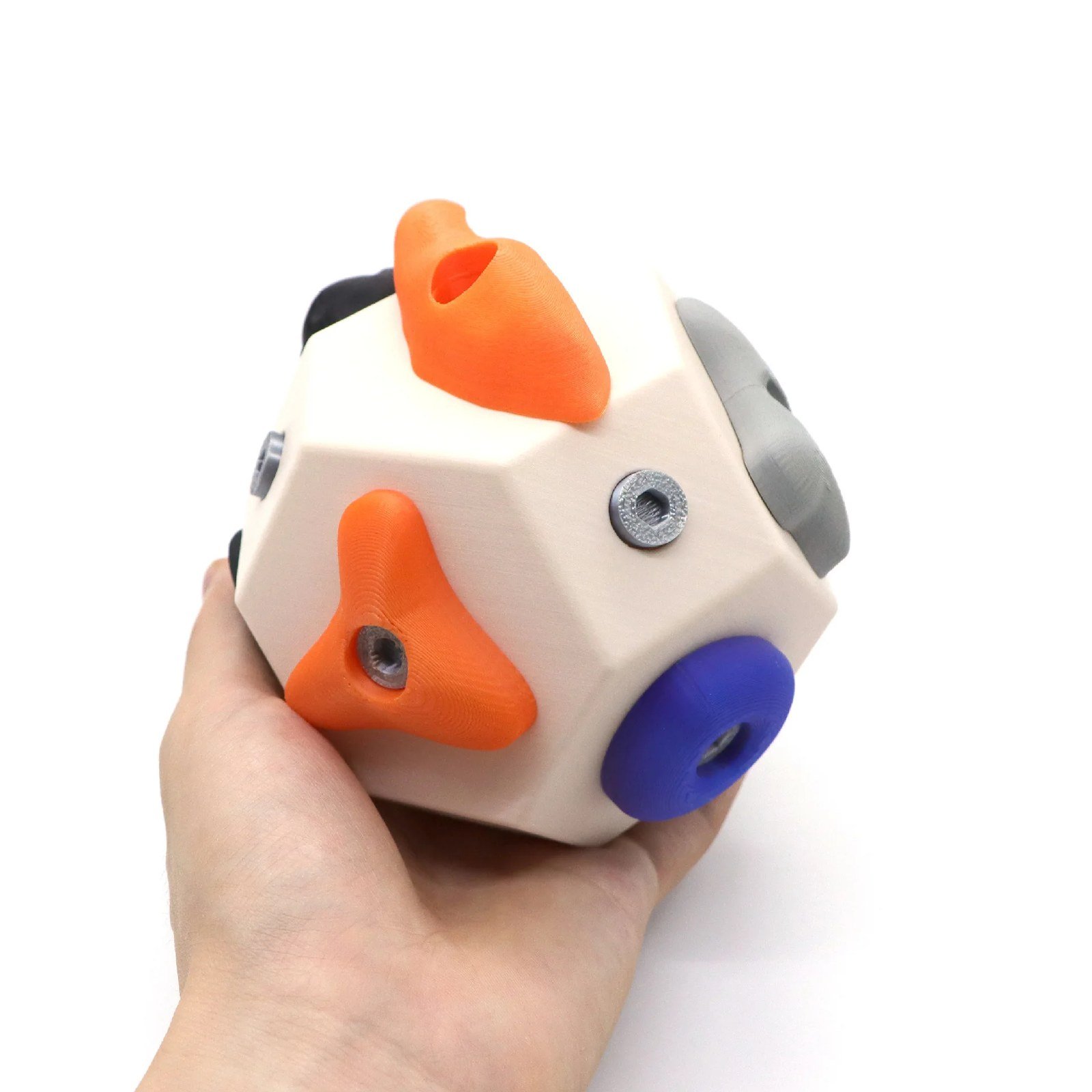
Crimps, pinches, slopers and pockets in your hand
PocketCrag is a hand-held climbing block with 8 bolt-on holds you can rearrange into new "problems" at your desk or on the couch. Not a hangboard or max-strength tool. $44.99, free US shipping. Our product.
Shop PocketCrag →Want to learn these moves, not just their names? Our climbing techniques guide explains how to dyno, heel hook, drop knee and flag, plus half crimp vs full crimp. Not sure which rope style to try first? See top rope vs lead climbing.
Sharing beta nobody asked for is called beta spraying; our climbing etiquette guide explains when it's welcome. The standard tie-in knot is the figure 8 follow through: see how to tie a figure 8 knot.
Climbing terms FAQ
What does beta mean in climbing?
Beta is information about how to climb a route or boulder problem: which holds to use, where to put your feet and the order of moves. Asking for beta is normal at the gym. Giving it to someone who didn't ask is called beta spraying.
What does send mean in climbing?
To send means to climb a route or boulder problem from start to finish without falling or resting on the rope. A flash is a send on your first try with some prior information, and an onsight is a first-try send with no prior information at all.
What is the difference between a flash and an onsight?
Both are first-try sends. A flash means you had some beta before you started, for example you watched someone climb it. An onsight means you climbed it first try with no beta at all, only what you could see from the ground.
What is the crux of a climb?
The crux is the hardest move or section of a route or boulder problem. Many climbs have one clear crux, while others have several hard sections. Climbers often rehearse the crux on its own before trying the whole climb.
What do climbers say when belaying?
A common sequence is: the climber asks 'On belay?', the belayer answers 'Belay on', the climber says 'Climbing' and the belayer replies 'Climb on'. 'Take' asks the belayer to hold you on a tight rope, and 'Lower' asks to be lowered. Gyms and instructors can use slightly different calls, so always agree on your commands before you climb.
What does allez mean in climbing?
Allez is French for 'go'. Climbers shout it to encourage someone on a hard move, especially near the top of a climb or at the crux. You'll also hear 'Come on!', 'Send it!' or 'You got this!' at most gyms.