 Pocket
Climbers' Hands: Skin Care, Calluses, Flappers and Split Tips
Climbers' hands have a reputation: thick calluses, chalky cracks, taped fingertips and the occasional flapper. Your skin is the one piece of climbing gear you can't replace, and when it tears, your session is over. This guide explains why climbers' hands look the way they do and gives you a simple hand care routine for calluses, flappers, split tips, salve, finger tape and recovery.
Quick answer: Good climbing hand care comes down to four habits: (1) wash off chalk after every session, (2) file calluses flat so they can't catch and tear, (3) use a climbing salve at night instead of lotion before climbing, and (4) stop or tape up early when skin gets thin, hot or pink. Treat flappers and split tips with basic first aid and a few rest days, and see a doctor if a wound looks infected.
- Why climbers' hands look the way they do
- Climbing hand care: the everyday routine
- Sweaty vs dry skin: know your type
- Calluses on hands from climbing: keep them or file them?
- Flappers: what to do when skin tears
- Split tips: causes and care
- Climbing salve vs hand cream
- Finger tape for climbing
- Climb, tape or rest? A quick decision chart
- Hand recovery and rest days
- FAQ
Why climbers' hands look the way they do
Climbers' hands look rough because holds and rock work like sandpaper: every session rubs the finger pads, so the skin thickens into calluses, chalk pulls moisture out, and small cuts and scrapes come with the sport. Over months and years, grip strength and forearm size grow too, which is why a climber's hands are easy to spot.
- Calluses: Repeated friction makes the outer layer of skin on your finger pads and palms thicker, which protects you but can crack or tear if it gets too thick.
- Dry, chalky skin: Chalk (magnesium carbonate) absorbs sweat and oil so you grip better, but it also leaves skin dry and prone to splits.
- Gobies and scrapes: Climbers call the small cuts on knuckles and the backs of hands "gobies", usually from jamming or brushing against rough rock or holds.
- Thin, shiny tips: Lots of climbing on rough holds can sand fingertips down until they look pink and shiny, which means the skin needs rest.
- Stronger-looking hands and fingers: Grip-heavy training builds the forearms, and studies of long-term climbers have reported adaptations in finger bones and joints over years of climbing.
None of this has to mean painful hands. With a few habits, you can keep skin tough enough to protect you and smooth enough not to tear. If you are new to the sport, our bouldering for beginners guide explains how to build up climbing volume gradually, which is also the best thing you can do for your skin.
Climbing hand care: the everyday routine
The best climbing hand care routine is short and happens around every session: arrive with clean, dry, not-too-soft skin, brush holds and use chalk sparingly while you climb, then wash, file and apply a salve afterward. Five minutes of care after climbing prevents most flappers and splits before they happen.
Before you climb
- Wash your hands: Clean, dry skin grips better and needs less chalk than skin covered in lotion or food oils.
- Skip heavy lotion: Moisturizing right before a session makes skin soft and slippery, so save it for later in the day.
- Check for rough edges: A quick pass with a nail file over any raised callus edge stops it catching on the first hard hold.
- Warm up on easy holds: A proper climbing warm-up on big holds lets skin and fingers adapt before small crimps.
While you climb
- Chalk lightly: A thin layer is enough, because caked chalk dries skin and makes holds slicker.
- Brush holds: Brushing chalk and rubber off holds means you need less force and lose less skin.
- Avoid repeated sliding: Falling or sliding off the same sharp hold again and again is the fastest way to get a flapper.
- Stop before skin fails: When fingertips turn pink, hot or tender, switch to easier climbs or end the session.
After you climb
- Wash off chalk: Use mild soap and water to remove chalk, sweat and grime, then dry your hands well.
- File calluses: Smooth any raised edges, ideally when skin is dry, then wipe away the dust.
- Apply salve: Rub a climbing salve into dry areas and splits, especially before bed.
- Trim nails: Short nails stop you from tearing them on holds and let your fingertip pads do the work.
Sweaty vs dry skin: know your type
Climbers' skin usually falls into two types: sweaty skin that feels slippery and wears through quickly, and dry skin that grips well but cracks and splits. Your hand care routine should match your type, because advice that helps one climber, like using lots of moisturizer, can make another climber's skin worse.
| Sweaty skin | Dry skin | |
|---|---|---|
| Typical problem | Slipping, worn-thin tips, flappers | Split tips, cracked calluses |
| Chalk | Chalk up often; some climbers use a hand antiperspirant made for climbing | Use less chalk and brush it off between climbs |
| Moisturizing | Light salve at night only on dry patches | Salve after every session and before bed |
| Filing | File gently, since skin is often already thin | File calluses regularly to stop splits |
| Best conditions | Cool, dry days and air flow | Avoid very cold, dry air without salve |
Calluses on hands from climbing: keep them or file them?
Keep your calluses, but file them. Calluses on hands from climbing are your skin's natural armor against rough holds, so removing them leaves you with thin, tender tips. The problem is calluses that get thick and raised: their edges catch on holds and tear off as flappers. Filing them flat gives you the protection without the tear risk.
Why climbing calluses form
Every time you pull on a hold, friction and pressure rub the same spots: the finger pads, the base of the fingers and the top of the palm. Skin responds to that repeated rubbing by building up a thicker outer layer. That's why calluses usually appear in the first weeks of regular climbing and follow the places where you grip hardest.
Healthy calluses vs calluses that are too thick
| Healthy climbing callus | Too thick, file it down | |
|---|---|---|
| Feel | Firm, smooth and flexible; it bends with your finger | Hard, stiff and dry; it doesn't flex |
| Edges | Blends into the surrounding skin | Raised ridge or lip you can catch with a fingernail |
| Look | Even, same color as the rest of the pad or slightly yellow | Lumpy, yellowed, or with small cracks at the edge |
| Risk | Protects you on rough holds | Can split or tear off as a flapper |
How to file or sand climbing calluses
- Use a fine file or sanding block: A nail file, emery board, pumice stone or fine sanding block works, so you don't need anything special.
- Work on dry skin: Many climbers prefer filing dry skin after washing off chalk, because wet, soft skin is easy to over-file.
- File in light passes: Smooth the edges and bumps of the callus down until they blend into the surrounding skin, rather than grinding the middle away.
- Don't go too deep: If the skin turns pink or sore, stop, because you have removed the protective layer.
- Repeat little and often: One or two minutes after each session is better than one big filing session a month.
- Don't pick or cut calluses: Picking or biting at hard skin usually leaves a ragged hole that tears further on the next climb.
Moisturize so calluses stay flexible
A callus that dries out turns brittle and splits along its edge. After filing, rub a climbing salve or a simple unscented balm into the calluses, ideally in the evening, so the skin stays tough but flexible. Skip heavy lotion right before you climb, since soft, slippery skin tears more easily on holds. The salve vs hand cream section below explains the difference.
When to stop filing
- Stop when it's flat: Once you can run a fingertip over the callus without feeling an edge, you're done.
- Stop at pink: Pink, shiny or tender skin means you've gone through the protective layer, so let it rebuild before filing again.
- Pause when the skin is damaged: Don't file over an open split or a fresh flapper; let it close first, then smooth the edges.
- Get it checked: This is general skin care, not medical advice. See a doctor if a callus or crack looks infected (redness, warmth, swelling, pus) or if pain doesn't go away.
Flappers: what to do when skin tears
A flapper is a piece of skin, usually a callus, that tears away from your finger or palm and leaves a flap with raw skin underneath. When you get a flapper, stop climbing on that hand, clean the wound, cover it with a bandage, and give it several days of rest before you climb on it again.
Flapper first aid, step by step
- Stop climbing on it: Climbing on a fresh flapper usually makes the tear bigger and the healing slower.
- Clean it: Rinse with clean water and mild soap to remove chalk and dirt.
- Deal with the flap: If the flap is clean and still attached, many climbers leave it as a natural cover; if it is ragged or dead, trim only the loose skin with clean nail clippers.
- Cover it: Use a bandage to keep it clean and protected while new skin forms.
- Rest and smooth: Once new skin has formed, file any hard edges around the area so it doesn't catch again.
Small flappers often need several days to a week or more before they feel solid again. Bigger or deeper ones take longer.
When to see a doctor: This is general care, not medical advice. Get a wound checked by a doctor if it is deep, won't stop bleeding, or shows signs of infection: spreading redness, warmth, swelling, pus, red streaks or a fever.
Split tips: causes and care
A split tip is a crack in the skin of your fingertip, usually along the edge of a thick, dry callus. Split tips happen when callused skin gets too hard and dry to flex, so the best treatment is to file the edges flat, use a climbing salve, and rest or tape the finger until the split closes.
- File the edges: Smooth the hard skin on both sides of the split so it can't keep opening wider.
- Moisturize at night: A salve before bed helps dry skin around the split stay flexible.
- Tape if you must climb: A tip wrap protects a closed, healing split during easy climbing, but an open, painful split needs rest.
- Prevent the next one: Regular filing and salve after sessions are the best way to stop split tips coming back.
Climbing salve vs hand cream
Climbing salve is a balm, usually based on waxes and plant oils, that helps dry or damaged skin recover between sessions. Most climbers use salve after climbing or before bed, not right before a session, because the goal is skin that is healthy and flexible but still firm and dry enough to grip holds.
| Climbing salve | Regular hand cream | |
|---|---|---|
| Texture | Thick, wax-based balm | Light, water-based lotion |
| When to use | After climbing and before bed | Rest days, well before a session |
| Effect on skin | Helps dry and cracked skin recover | Softens skin, which can make it tear more easily on climbing days |
| Best for | Splits, dry calluses, cracked knuckles | Generally dry hands away from climbing |
Salve and tape are also two of the most popular small gifts for climbers. See our climbing stocking stuffers if you're shopping for one.
Finger tape for climbing
Climbers use finger tape mainly to protect damaged skin, such as a healing split tip, a worn-thin pad or a flapper that has started to close. Climbing tape is a stiff, sticky cotton tape that stays on better than general first-aid tape. Tape protects your skin, but it doesn't fix a finger injury or replace rest.
How to tape a fingertip (tip wrap)
- Prepare the skin: Wash and dry the finger, because tape won't stick to chalky or sweaty skin.
- Cut thin strips: Tear the tape into narrow strips so it isn't bulky on small holds.
- Cover the spot: Lay one strip over the damaged area, running lengthwise over the fingertip if needed.
- Anchor it: Wrap a second strip around the finger pad to hold the first one in place, avoiding the joint crease.
- Check circulation: Press it down firmly, then check that your fingertip stays pink and doesn't throb.
Some climbers also wrap tape around the base of a finger, often called ring taping. It's common, but don't rely on it to protect an injured finger. If a finger feels painful or you felt a pop, stop climbing and get it checked.
Climb, tape or rest? A quick decision chart
Most climbing skin problems fall into three groups: things you can climb through with care, things you can climb on with tape, and things that need rest. Use this chart before your session; if you're unsure, rest the skin, because one rest day is better than a flapper that costs you a week.
Hand recovery and rest days
Climbing skin and fingers recover on rest days, so plan them into your week instead of waiting for something to tear. Most recreational climbers do well with at least one rest day between hard sessions, and skin that is pink, shiny or tender needs a full break from rough holds until it toughens up again.
- Space hard sessions: Back-to-back hard days wear skin faster than it can rebuild, so alternate hard and easy or rest days.
- Mix hold types and wall angles: Varying your climbing spreads wear across your fingers instead of always loading the same spot.
- Keep training low-load on skin rest days: Mobility, antagonist exercises and light grip work keep you moving without grinding through your tips.
- Build finger strength gradually: Tendons and pulleys adapt more slowly than muscles, so follow a gradual plan like our finger strength for climbing guide.
Hangboards are a common training tool, but they also wear your skin and load your fingers hard. If you use one, our hangboard workout guide explains how to build up safely, and our climbing training plan shows how to fit rest days into a week.
Finger safety first: Skin heals in days; finger tendon and pulley injuries can take much longer. Never train through sharp finger pain, a pop or swelling. Beginners should build climbing volume for several months before adding hard finger training, and anyone with finger, wrist or elbow pain should see a doctor or physical therapist before training again.
Want to know what climbers mean by "gobies", "flappers" or "beta"? Our climbing terms glossary explains the lingo in plain English.
Keep your fingers moving between sessions
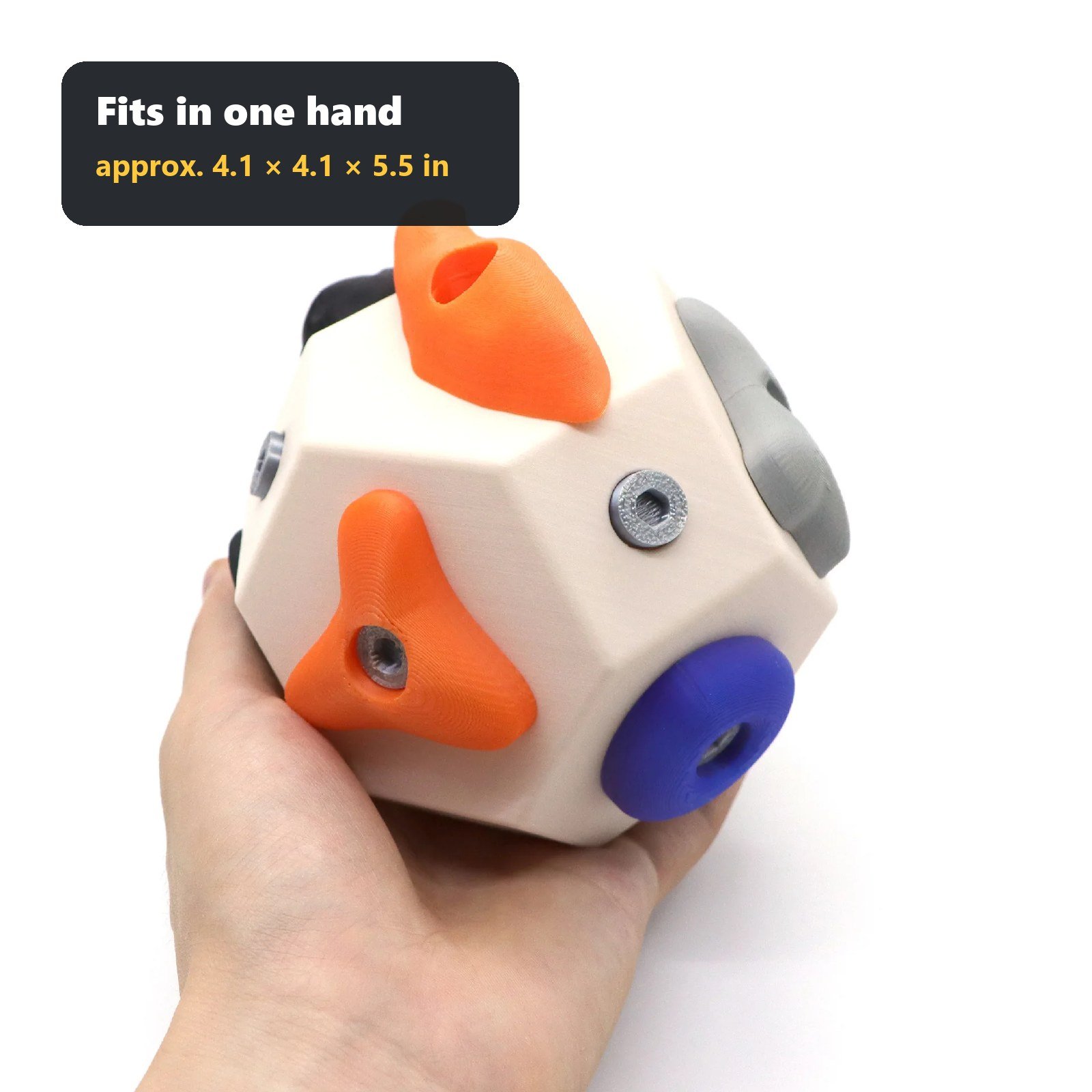
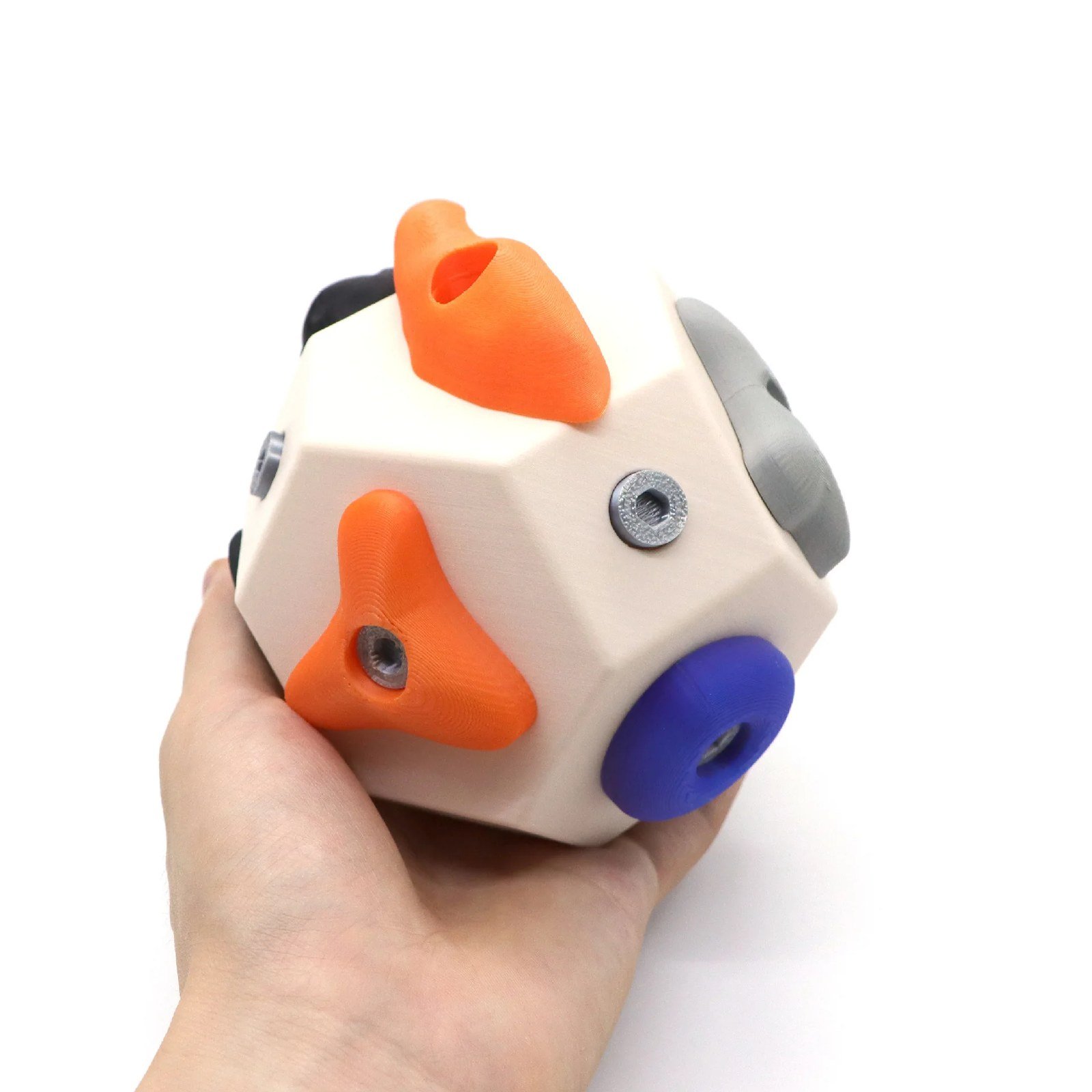
PocketCrag is a hand-held climbing block with 8 bolt-on holds for light, low-load grip and finger practice anywhere. Not a hangboard or max-strength tool, and like any textured hold, skip it while a flapper or split is healing. $44.99, free US shipping. Our product.
Shop PocketCrag →For chalk types and how to use a chalk bag without overdoing it, see our climbing chalk guide.
Climbers' hands FAQ
Why do climbers' hands get so rough?
Holds and rock act like sandpaper. Repeated friction thickens the skin on the finger pads into calluses, chalk dries the skin, and small cuts and scrapes are part of the sport. With good care, climbers' hands stay tough but smooth instead of cracked and torn.
How do you heal a flapper from climbing?
Stop climbing on it, rinse it with clean water and mild soap, trim only loose, ragged skin with clean clippers, and cover it with a bandage. Keep it clean and covered for a few days, then file the edges smooth once new skin has formed. Most small flappers need several days to a week or more. See a doctor if it gets red, hot, swollen, leaks pus or you get a fever.
Should you file your calluses for climbing?
Yes, but only flatten them. File raised edges and bumps so they can't catch on a hold and tear off, and stop before the skin turns pink or tender. The goal is smooth, even, tough skin, not removing the callus completely.
Why do you get calluses on your hands from climbing?
Climbing rubs and presses the same spots on your hands over and over, mainly the finger pads, the base of the fingers and the top of the palm. Skin responds to that repeated friction by thickening its outer layer into calluses. They protect you on rough holds, so the aim is to keep them smooth, not remove them.
How do you know if a climbing callus is too thick?
A callus is too thick when it feels hard and stiff instead of flexible, has a raised edge you can catch with a fingernail, or starts cracking at the sides. Those edges can catch on a hold and tear off. File the edges flat with a fine file, stop before the skin turns pink, and moisturize afterward.
Is climbing salve better than hand lotion?
For most climbers, a wax-based climbing salve used after climbing or before bed works better than a regular lotion used right before a session. Salve helps dry, cracked skin recover without leaving hands soft and slippery for climbing. Avoid heavy lotion in the hours before you climb.
How do you tape a finger for climbing?
Clean and dry the finger, lay a thin strip of climbing tape over the damaged spot, then wrap a second strip around the finger to hold it in place without crossing the joint crease. Press it down firmly and check that the fingertip stays pink. Tape protects skin; it is not a fix for a finger injury.
Does climbing make your fingers bigger?
Climbing doesn't usually change finger size dramatically, but long-term climbers often have thicker skin, calluses and stronger hands, and studies of experienced climbers have reported adaptations in finger bones and joints. Swelling after a session is usually temporary. Persistent joint pain or swelling should be checked by a doctor.